
geçmiş sergiler / past exhibitions
EVE DÖNÜŞ / HOMECOMING
01/07/2017-23/07/2017
BEKİR DİNDAR, CANSU YILDIRAN, M.CEVAHİR AKBAŞ
Curated by: Ezgi Bakçay & Volkan Kızıltunç

 |  |  |
|---|---|---|
 |  |  |
 |  |  |
 |  |  |
 |  |  |
 | 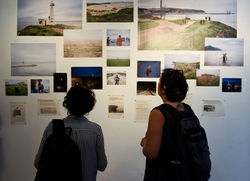 |
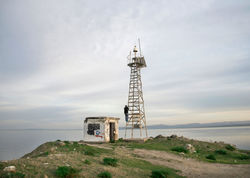
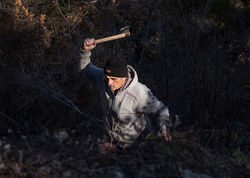
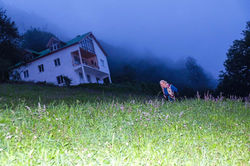
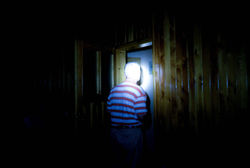
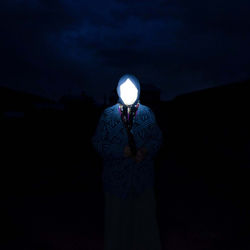
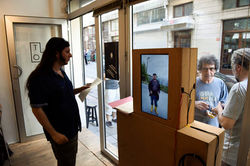
“Eve Dönüş” başlıklı sergi, belgesel fotoğrafçılıkla çağdaş sanat arasındaki bağları yeniden yorumlayan üç genç sanatçının ürettiği fotoğraf, video ve ses yerleştirmelerinden oluşuyor. Sergide “eve dönüş” bilinmeyene doğru bir hareket ve tamamlanması imkânsız bir yolculuk olarak hikâyeleştiriliyor. Her yolculuk öncelikle sanatçı öznenin kendini sahnelediği performatif bir imge üretim süreci olarak görselleşiyor. Hemen ardından, yuva, tarih, mit, bellek, doğa, aidiyetsizlik gibi kavramlar tartışmaya açılıyor.
Yunan edebiyatında kullanılan bir tema olan “Nostos” eve dönmeye çalışan destansı kahramanı anlatır. Bu yolculuk genellikle kahramanı sınayan pek çok tehlikeyi içerir. Eve dönüş sadece fiziksel bir eylem değildir. Kahraman aslında kendine dönmeye, kendini bilişsel bir haritada anlamlı kılmaya, içinde evinde gibi hissedeceği bir kimliği kurmaya çalışmaktadır. Buna karşın eve dönmek artık mümkün değildir. Kahramanın pathosu köklere dönmenin de onlardan kurtulmanın da mümkün olmamasından kaynaklanır. Mesele geçmişe gitmek değil, geçmişi bugünde kurtaran bir tarih yazımını düşünebilmektir.
Bekir Dindar, Cansu Yıldıran ve M. Cevahir Akbaş; mitler, gündelik toplumsal yaşam, tarih ve tekil öznel yaşantı arasında karmaşık düğümler atarak çalışıyor; Sürekli ölçek değiştirerek yeni bir “nostos” yorumu ortaya çıkarıyorlar. Ne modernist anlamda kişisel, ne de postmodernist anlamıyla kişisizleşmiş bir hikaye anlatıcılığı bu. Özne kendini hasretle arıyor ama yine de tek merkezli olmaya direniyor. Kadrajın ardında sığınacak güvenli bir alan yok. Çünkü “eve dönüş” öyküsü asla tek bir özneye ait değil. Tüm bunlar, sergideki tüm işlere hakim olan, çok yakın ve çok uzak arasında salınan tekinsiz mesafede göze geliyor.
Cansu Yıldıran “Mülksüz” başlıklı projesinde Karadeniz'de Kuşmer Yaylası’nda geçen çocukluk anılarını toplumsal cinsiyet bağlamında tarihselleştiriyor. Kesintili belleğini ve muğlak kimliğini, annesinin hiçbir zaman sahip olamayacağı bir yok-evde mekansallaştırıyor. Bir biçimde sağaltıcı olması beklenen yolculuğun sonu kimliğin tekinsizliğine çıkıyor. M. Cevahir Akbaş babasının ondan gizlediği avcı kimliğinin ve esirgediği kayıp zamanın peşine düşüyor. Bireysel öyküsünü kadim bir dağ etrafında geçen, insanlık tarihi kadar eski bir av hikâyesine dönüştürüyor. “Avcı” başlıklı işin üretimi, doğa, tarih, mit ve öznel deneyimin eklemlendiği performatif bir süreç olarak klasik belgesel dilinden ayrılıyor. Bekir Dindar, ailesinin yaşadığı Karabiga'daki beldenin yakınında inşa edilen termik santralin doğada, toplumsal yaşamda ve kişisel bellekte yarattığı tahribatı konu alıyor. Sanatçı sadece tanıklık etmiyor, fotoğraf aracığıyla ekoloji mücadelesine katılıyor. Tarihsel bir özne olarak kendini hikayenin içine yerleştirmekten çekinmiyor. Sadece “Karabiga”yı değil, aynı zamanda farklı kimlikleri arasındaki gerilimi de görselleştiriyor. Çalışmasını tamamlayan ses yerleştirmesiyle öykü anlatıcılarını çoğullaştırıyor, özneyi kolektifleştiriyor.
The exhibition entitled "Homecoming" consists of photographs, videos and sound installations produced by three young artists who reinterpret ties between documentary photography and contemporary art. In the exhibition, "homecoming" is narrated as moving towards the unknown and an impossible journey to complete. Each journey is primarily visualized as a performative image production process in which the artist-subject enacts herself/himself. Shortly after, concepts such as home, history, myth, memory, nature and non-belonging are opened to debate.
"Nostos", a theme used in Greek literature, relates to the epic hero who is trying to return home. This journey usually involves many dangers that test the hero. Returning home is not just a physical act. The hero actually tries to return to himself, to make sense of himself on a cognitive map, and to establish an identity in which he will feel like at home. However, it is no longer possible to return home. The pathos of the hero is rooted in the fact that it is neither possible to return to the roots nor getting rid of them. The concern is not to go back, but to think of a historiography that recovers the past in the present.
Bekir Dindar, Cansu Yıldıran and M. Cevahir Akbaş work by throwing complex knots between myth, everyday social life, history and single personal experience. By constantly changing the scale, they are revealing a new interpretation of "nostos". It is a storytelling that is neither personal in the modernist sense nor impersonal in a postmodern sense. The subject is eagerly searching herself/himself, but still resists being single-centered. There is no safe area to hide behind the frame. It is because the story of “homecoming” never belongs to a single subject. All of this is revealed in the uncanny distance, which oscillates between the very near and far, dominating all the work on the show.
In the project entitled “Landless”, Cansu Yıldıran historicalizes childhood memories based in Kuşmer Plateau in the Black Sea Region in the context of gender. She is turning her discontinuous memory and ambiguous identity into a non-house that her mother will never have. The expected end result of the journey as being a remedy in some way ends up in the uncanny identity. M. Cevahir Akbaş pursues his father’s secret identity as a hunter and the lost time withheld by him. He transforms his personal story into a hunting story, which is as old as human history, taking place around an ancient mountain. Production of the work entitled "Hunter" is separated from classical documentary language as a performative process in which nature, history, myth and subjective experience are incorporated. Bekir Dindar takes the thermal power plant built near Karabiga village, where his family lived, and its damage to nature, social life and personal memory as his subject. The artist not only witnesses, but also participates in the ecological struggle with his photography medium. He does not hesitate to put himself into the story as a historical subject. Alongside "Karabiga", the tension between different identities is also visualized. He duplicates story narrators and collectivizes the subject with sound installations that implement his work.
RUTUBET / HUMIDITY
22/04/2017-14/05/2017
SİNEM DİŞLİ

 |  |  |
|---|---|---|
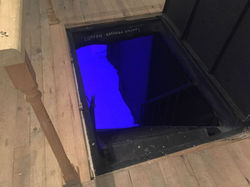 |  |
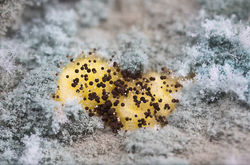
Sinem Dişli'nin fotoğraf ve mekâna özgü yerleştirmelerden oluşan Rutubet başlıklı sergisi, TOZ'un bodrum katında bulunan ısı ve nem gibi koşulların oluşturduğu mikro ölçekteki organizmaları inceliyor. Dişli, nefes alan bir yapı gibi ele aldığı bu kent binası içinde hava akımının kısıtlı olduğu bir bölüme sıkışmış su ve ortamda var olan diğer maddelerin birbirine oranını gözlemleyerek veya değişikliğe uğratarak başka bir yaşam alanının mümkün olup olmadığını deneysel bir yöntemle araştırıyor.
Dişli, atölyede geçireceği bu iki haftalık süre boyunca ortamdaki rutubetli havanın oluşturduğu yaşam formları arasındaki simbiyotik ilişkiye odaklanarak hiçbir
şeyin tamamıyla yok olmadığı ve her şeyin birbirine dönüştüğü bu yapıyı görünür kılmayı hedefliyor. Bodrum katında yer alan bu süreç odaklı yerleştirmeden parçalar giriş katında fotoğraflar ve video görüntüleri aracılığıyla da izleyicilere sunulacak.
Suyun canlılık döngüsü içindeki rolü ve insanın bu döngüye müdahalesi üzerine bir üçlemenin devamı olan serinin ilk ayağı 2014 yılında İstanbul Ortaköy Yetimhanesinde, ikincisi ise 2016 yılında New York Triangle Artist Residency programı kapsamında oluşturuldu. Üçüncü ayağı TOZ’da gerçekleştirilecek olan süreç odaklı bu yerleştirmelerin çeşitli aşamalarının fotoğraflarından oluşan kitabın yapımı da TWOweekENDs programı boyunca ziyaretçilerce izlenebilecek.
Aiming to establish an organic connection between the studio and the exhibition space, Toz will be hosting an experimental artistic process, which is open to visitors for two weeks during RUTUBET. The program encourages experimental practices such as site-specific installations, presentations or open workshops.
During these two weeks, the artist will mainly focus on symbiotic life forms facilitated by moisture in the air to reveal an invisible structure in which nothing completely disappears and everything evolves into each other. This process-based work, ongoing in in the basement, will be presented at the upper floor in the form of photographs and video images.
The installation is part of a trilogy that deals with the role of water and human intervention in relation to the cyclical nature of life. The first of part of this series was constructed at Istanbul Ortaköy Orphanage in 2015, and the second part was realised in 2016, during a residency period at New York Triangle Artist Residency Program.
This third part, which will be on display at TOZ during the TWOweekENDs Program, also introduces the making of an artist book, a compilation of photographs made to document this unfolding trilogy.
ICH BIN EIN BERLINER!
11/03/2017-02/04/2017
FATİH KURÇEREN, HAZAL KARA, MEHTAP BAYDU, YAŞAM ŞAŞMAZER
Curated by: Elvan Ekren & R. Özgül Kılınçarslan

 |  |  |
|---|---|---|
 |  |
Farklı dünyaları düşünmek ve sanatsal huzursuzluk, her dönemde sanat üretiminin merkezindedir. Pek çok yazara göre yola çıkmak, yani uzaklaşıp yabancılaşmak, sanatsal huzursuzluk için gereklidir. Farklı coğrafyalara yolculukla, farklı coğraflarda yaşama arasındaki ayrım, George Simmel’in bugün gelip yarın kalan kişi ile bugün gelip yarın giden kişi arasında farkta belirginleşir. Yaşamak ve üretmek için başka bir yere giden sanatçının bakışı, bir turistin bakışından farklıdır. Aynı zamanda hem içerisinin hem de dışarısının bakışını, hem bir aidiyeti hem de yabancı olmayı içerir. Öte yandan, günümüz sanatçısı için, bir coğrafyanın sahibi olma, doğuştan oralı olma ile bir coğrafyanın yaşama alanın olması ve ürettiğin, içinde yaşadığın kültürle kurduğun aidiyet arasındaki ayrım, sayısız farklı dünyadan gelen aktörlerin birbiriyle ilişkiye geçtiği küresel kentlerde belirsizleşir.
“Ich bin ein Berliner!” Yaşam Şaşmazer, Mehtap Baydu, Hazal Kara ve Fatih Kurçeren’in sanatsal üretimleriyle, aidiyet, kültürel melezleşme, gönüllü göç gibi konuları araştırıyor ve bu sınırlarda dolaşan hikayeleri anlatıyor. Başlığını, Kennedy’nin 26 Haziran 1963 tarihli Berlin konuşmasından alan sergi, sınırları muğlak bir aidiyet duygusunu vurguluyor. Aidiyet duygusunun nerede başlayıp nerede bittiği, özellikle gezgin/göçebe günümüz sanatçısının üretimlerine nasıl yansıdığı gibi soruları tartışıyor. Kadıköy Yeldeğirmeni’ndeki bağımsız sanat mekanı TOZ‘da seyirciyle buluşacak “Ich bin ein Berliner!” son günlerin sıkça sorulan sorularından biri olan başka bir coğrafyada yaşama fikrini, Almanya’da yaşayan ve üreten Türkiyeli sanatçıların çalışmalarıyla farklı perspektiflerden, yeniden düşünmeye açıyor.
Açılışı 11 Mart Cumartesi gerçekleşecek sergiyi 12 Mart ve 18, 19, 25, 26 Mart ve 1,2 Nisan tarihlerinde 12-18:00 saatleri arasında ziyaret edebilir ya da tozartistrunspace@gmail.com adresine email atarak diğer günler için randevu alabilirsiniz. Ayrıca 1 Nisan 2017, saat 17:00’de Özgül Kılınçarslan’ın “İki Yazar, Bir Meydan” adlı sunum-performansını izleyebilirsiniz.
Thinking worlds and artistic discontent are at the center of art production in every era. According to many writers, to start a journey, i.e. alienating via moving away, is necessary for artistic discontent. The distinction between journey to different geographies and living in different geographies is crystallized by George Simmel’s distinction between the person who comes today and goes tomorrow and the person who comes today and stays tomorrow. The gaze of the artist who goes to another place to live and work is different from the gaze of a tourist. This gaze includes the inside and the outside views, belonging and being foreign both at the same time. On the other hand, for today's artist, the distinction between being a habitant, being a native and living in a geographical area, establishing a belonging with the culture you live in becomes unclear in global cities where many different actors come into contact with each other.
Through the works of Yaşam Şaşmazer, Mehtap Baydu, Hazal Kara and Fatih Kurçeren, "Ich bin ein Berliner!" explores issues such as belonging, cultural hybridization, voluntary migration, and tells stories that circulate around these borders. The exhibition, which takes its title from Kennedy's Berlin speech on June 26, 1963, emphasizes a sense of belonging which has ambiguous borders. The exhibition discusses questions such as where the sense of belonging begins and ends, especially how this reflects on the works of the traveler/nomadic contemporary artist. "Ich bin ein Berliner!", which will meet its audience at TOZ independent art venue in Kadikoy Yeldeğirmeni, makes us reconsider the idea of living in another geography –one of the frequently asked questions of the last days– from different perspectives with the works of Turkish artists living and working in Germany.
The opening will be on March 11, 2017 Saturday. You can visit the exhibition on March 12, 18, 19, 25, 26 and April 1,2 between 12.00-18.00 or you can make an appointment for other days by emailing tozartistrunspace@gmail.com. You can also join Özgül Kılınçarslan's lecture-performance, "Two Authors and A Square " on April 1, 2017 at 17:00.
Öyküsü Olmayan // Without a Story
14/01/2017-05/02/2017
ELÇİN ACUN

 |  |  |
|---|---|---|
 |  |  |
 |  |  |
 |  |  |
 |  |
ÖYKÜSÜ OLMAYAN
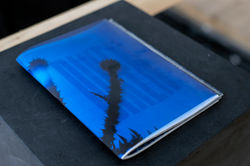
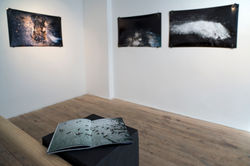
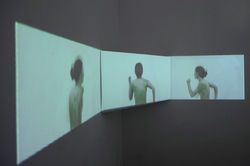
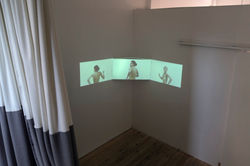
Kadıköy’de yer alan bağımsız sanat mekanı TOZ, 2017’ye fotoğraf ve performans temelli video işleri üreten sanatçı Elçin Acun’un “Öyküsü Olmayan” sergisiyle başlıyor. Fotoğraf ve video işlerinde genel olarak kendi bedenini kullanan Elçin Acun’un TOZ ‘daki sergi için özel olarak ürettiği ve daha önce hiç gösterilmemiş işleri “Öyküsü Olmayan” sergisinde izleyiciyle buluşacak. Kadının toplumsal ve görsel bağlamda sosyal yaşamdaki dinamiklerle olan ilişkisini değerlendiren sanatçı çoğul bir tespite giderek izleyene cinsiyet ve kadın aurası üzerinden kendi varlığını sunuyor. Sanatçının kendisinin oynadığı, trajik cezalarla lanetlenmiş karakterlerini, döngülerin içine hapsolmuş olarak görüyoruz. Bu döngü, kadın kimliğine atanmış rolleri, sorumlulukları, görevleri ve bu rollerin sürekli tekrara dayalı kendini yeniden üretimini de temsil ediyor.
“Öyküsü Olmayan” sergisi 14- Ocak- 5 Şubat arasında her cumartesi ve pazar günü saat 12:00-18:00 saatleri arasında TOZ’un Kadıköy Yeldeğirmeni’ndeki mekanında görülebilir.
WITHOUT A STORY
TOZ, independent art space in Kadıköy, starts 2017 with the exhibition “Without a Story” by Elçin Acun who produces photography and performance based video works. Acun, who often uses her own body in photography and video works, will meet the audience in “Without a Story” with her new works, specifically produced for TOZ. The artist, who considers women’s relationship with the dynamics in social and visual contexts, displays her own presence to the audience through making plural remarks on gender and female aura. We see the characters, which are played by the artist herself, being cursed by the tragic punishment and trapped in cycles. These cycles also represents roles, responsibilities, duties assigned to women’s identities, and the constantly repeating self-reproduction cycle based on these roles.
“Without a Story” exhibition can be visited every Saturday and Sunday between hours 12:00-18:00 through January 14 – February 5, at TOZ art space located in Kadıköy, Yeldeğirmeni.
ARALIK / SPACE IN BETWEEN
Kitap Tanıtımı ve Sergi /
Book Launch & Exhibition
24.12.2016 -08.01.2017

 |  |  |
|---|---|---|
 |  |  |
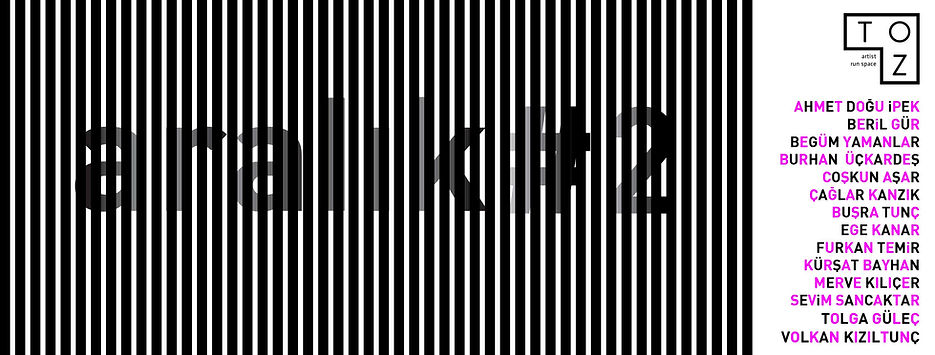
Geçtiğimiz yılın aralık ayında ilk kez hayata geçirilen “Aralık” projesinin ikinci fotoğraf kitabı 24 Aralık-8 Ocak tarihleri arasında bağımsız sanatçı mekanı TOZ'da yer alacak. Her yıl bir grup sanatçının bir araya gelerek ortaklaşa ürettikleri kolektif bir yayın ve ona eşlik eden bir sergi formatında gerçekleştirilmesi planlanan “Aralık”; bu yıl Ahmet Doğu İpek, Begüm Yamanlar, Beril Gür, Burhan Üçkardeş, Buşra Tunç, Coşkun Aşar, Çağlar Kanzık, Ege Kanar, Furkan Temir, Kürşat Bayhan, Merve Kılıçer, Sevim Sancaktar, Tolga Güleç ve Volkan Kızıltunç'un çalışmalarını bir araya getiriyor.
The second photobook of the “Space In Between” project which was initiated last year in December, takes place in artist run space TOZ between the dates December 24-January 8. “Space In Between”, which is a project planned to be realized in the form of a collective publication and an accompanying exhibition by a different group of artists every year, brings this time the works of Ahmet Doğu İpek, Begüm Yamanlar, Beril Gür, Burhan Üçkardeş, Buşra Tunç, Coşkun Aşar, Çağlar Kanzık, Ege Kanar, Furkan Temir, Kürşat Bayhan, Merve Kılıçer, Sevim Sancaktar, Tolga Güleç ve Volkan Kızıltunç together. On the opening day of December 24th, limited edition prints of the book will be for sale.
ARALIK
Özgürlük, şeylere alışkanlıklar ve meşgalelerden arınmış olarak bakarak dünyayla temas halinde olmaktır diyor sinemacı Peter Hutton. Ona göre bu tür bir bakma hali, deneyimi yüklerinden kurtarmanın ve doğanın tezahürleriyle sarsılabilmenin tek olası yoludur.
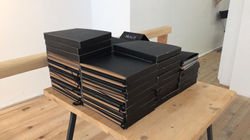
Benzer bir özgürlük anlayışından hareketle Aralık 2015’te İstanbul'da buluşan 8 sanatçı, farklı bakma eylemlerini derleyerek “Aralık” adında bir kitapta topladı. Bir hafta boyunca eldeki görüntüler tartışıldı, kitabın kurgusu ve tasarımı üzerine düşünüldü, bir yeraltı ozalitçisinde bolca ter döküldü. Sürecin sonunda, ortasından geçen lastiğin bir arada tuttuğu, sayfaları çıkarılıp açıldığında poster olarak duvara asılabilen, yeniden kurgulanmaya müsait bir kitap ortaya çıktı.
Şimdi, bu birlikteliğin heyecanıyla, farklı sanatçıların işlerinden oluşan ikinci bir sayı için bir araya gelinirken, “Aralık”ı da kolektif deneyimi devam ettirecek bağımsız bir süreli yayın olarak düşlemek mümkün oldu.
SPACE IN BETWEEN
Freedom is a state of being in which one can get in touch with the world by actually looking at things outside of existing motives, or given agendas; argues (deceased) film-maker Peter Hutton. He suggests, this mode of looking is the only possible way to unburden experience, and be struck by epiphanies of nature.
Stimulated by a similar vision of freedom to collect and put together various acts of looking into book form; “Aralık” is a collaborative publication initiated in December, 2015 by 8 photographers who have come together in Istanbul. This week-long encounter facilitated a rapid creative process involving exchange of ideas, editing of individual works, as well as design and production of the finished publication. The outcome was a re-editable book bound by a simple rubber band, with spreads free to be pulled out, folded open, and reversed to transform into concealed posters available for wall display.
At this point, the intense energy born out of this shared experience is reunited to produce a second issue, featuring work by a different group of artists willing to publish under the same format. As such, “Aralık” takes a step further to reimagine itself as an independent, periodical publication sustained by collective excitement and active participation.
Elinde Makas Tutan İnsana Yakın Çekim // A close up of a person holding a pair of scissors
29/10/2016-20/11/2016
OSMAN KOÇ
 |  |  |
|---|---|---|
 | 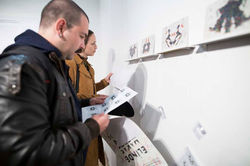 |  |
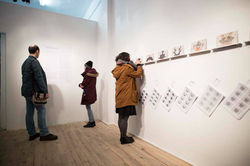
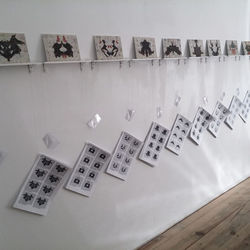
“ELİNDE MAKAS TUTAN İNSANA YAKIN ÇEKİM”
Farkettirmeden hayatımızın birçok alanına hükmetmeye başlayan yapay zekalar, öğrenen makinalar ve sinir ağları, her geçen gün daha hayati konularda karar mekanizması haline gelmeye başladı. Otonom arabalar, kişiye özel seçilmiş haberlerden hastalık teşhisi, potansiyel suç analizine uzanan ve günbegün yeni mecralara uygulanan yapay zeka sistemleri bir yandan da makinalarla olan ilişkimizi, kültürü, algımızı yeniden şekillendiriyor. İşlevini “doğru” yerine getirmeyi insanlardan öğrenen sistemler, yarattığı hukuki ve etik tartışmalarıyla bize bizi gösteriyor. Aynı zamanda da teknik olarak elimizdeki sorun teşhisi, tamir ve kalibrasyon araçlarının yeniden yorumlanması gereksinimini doğuruyor. Yapay zekalar bizim için en iyisini bilebilir mi? Veya eğitim verisindeki insan etkileri yüzünden bizi yanlış yönlendirebilir mi? Yapay zekaların akıl sağlığını nasıl sınayabiliriz?
Osman Koç, yaratıcı teknolojist/sanatçı olarak ana araştırma alanı, yerleştirme, mekan ve sahne için farklı fiziksel etkileşim metotları geliştirmektir. 2014 yılında, İskele47 isimli makerspace/ multidisipliner stüdyonun kurucu ortaklarından olup, deney, öğretme, danışmanlık, prototipleme, işbirliği ve üretimlerine burada devam etmektedir.
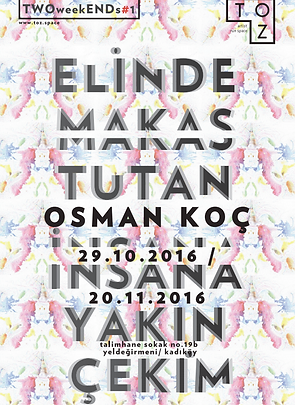
Osman Koç’un “Elinde Makas Tutan İnsana Yakın Çekim” projesi Kadıköy Yeldeğirmeni’ndeki bağımsız sanat mekani TOZ‘da seyircilerle buluşuyor. Açılışı 29 Ekim Cumartesi gerçekleşecek sergiyi 30 Ekim ve 12,13, 19 ve 20 Kasım tarihlerinde 12-18:00 saatleri arasında ziyaret edebilir ya da tozartistrunspace@gmail.com adresine email atarak diğer günler için randevu alabilirsiniz. Ayrıca 20 Kasım 2016, saat 17:00’de Osman Koç ve Bager Akbay’ın sanatçı konuşmasını da izleyebilirsiniz.
“A CLOSE UP OF A PERSON HOLDING A PAIR OF SCISSORS”
Machine learning, artificial intelligence and neural networks has been governing many aspects of everyday life without being noticed, and becoming a decisive mechanism for more and more vital aspects. machine learning based systems are penetrating and being implemented in increasing number of mediums, from autonomous cars and personalized news feeds to medical diagnostics and crime potential analysis, which effects our culture, perception and the relationship with machines. They reflect us by generating ethical discussions, while learning to function “correctly” through human input. At the same time, it reveals the necessity to reconsider our tools and methods for debugging, repairing and calibrating. Can an artificial intelligence know what’s best for us? Or mislead us caused by the human error in the dataset? How can we test the sanity of artificial intelligence?
Osman Koç, is an creative technologist/artist, whose main research focus is on experimenting different physical interaction methods for installations, spaces and stages. In 2014, he co-founded İskele47, a makerspace/multidisciplinary design hub, where he continues to experiment, teach, consult, prototype, collaborate and make.
Osman Koç’s latest work “A close up of a person holding a pair of scissors” will be exhibited at the independent, artist-run space TOZ, located in Yeldeğirmeni, Kadıköy. The opening will take place in October 29th, Saturday and can be visited in October 30th and November 12th,13th,19th and 20th, between 12.00-18.00, or with appointments that can be taken via mail to tozartistrunspace@gmail.com. Osman Koç and Bager Akbay will also give an artist talk on November 20th, 2016 at 17.00.
The Metromorphic Varietes
02/10/2016-0810/2016
JULIE UPMEYER
 |  |  |
|---|---|---|
 |  |  |
 |
İşlerinde çok yönlü kompleks bir dünyayı sadeleştirerek anlatan Upmeyer, yaratım sürecine ve beslendiği kültürel öğelere önem verir. Oluşturduğu enstelasyonlarıyla objelerine ait olduklarından daha farklı bir anlam kazandırırken mekan algısının etkileşimini de ön planda tutar. Ortaya çıkan bu etkili dil; sergi alanı ile eserler arasında güçlü bir bağ yaratır.
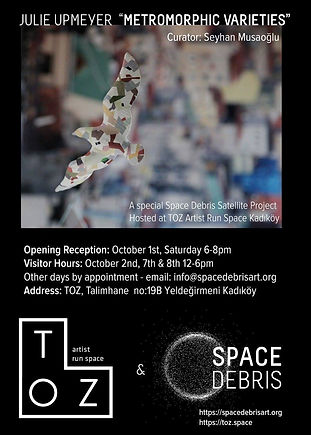
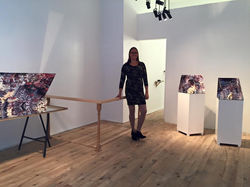
“The Metromorphic Varietes” gelecek için olası bir gelişmeyi sunar: dünya düzenine adapte olabilmek adına şehrin renk ve motifleriyle kamufle olan hayvanlar. İlk kamuflajlar doğadaki bitki ve hayvanların avcılardan saklanabilmesi için mümkün olduğunca az ilgi çekecek bir biçimde saklanmarıyla karşımıza çıkar. İnsanlar bu kamuflaj tekniklerini genellikle ordudaki malzemeler ve askerleri gizleyebilmek için kullanmışlardır. Dünya savaşı sırasında ordunun savaş gemilerini kamufle etmek için sanatçılarla ortaklaşa gerçekleştirdiği optik illüzyon olan “dazzle kamuflaj” metodundan yararlanan Upmeyer, fütürist bir kentsel senaryoyu resmediyor. Kediler, kuşlar, kaplumbağalar ve tavşanları, bir şehir panoramasının önünde kamufle edilmiş şekilde seyirciye sunuyor.
Julie Upmeyer performanslar, enstalasyonlar, heykel ve objeler üretir. Amerika’da Grand Valley State Üniversitesinde seramik, heykel ve grafik sanatlar üzerine okumuştur.
Farklı katmanlar, iş gücü, zanaatkârlığa olan bağlılık, var olan sistemler, yapılar ve parlak şeyler ilgisini çeken ve işlerinde kullandığı ilham kaynaklarından birkaçıdır. İşleri çoğu zaman seçtiği malzemenin manipülasyonuyla gelişir, diğer zamanlar da mekana özel bir etkileşime geçerek gerçekleşir. Julie ayni zamanda eski Carvansarai sanat mekanının da kurucularındandır.
Julie Upmeyer is an artist and initiator whose work is strengthened by its multi-layered nature.She is not only interested in the many layers of the material she uses, but also in the layers of the culture that inspires her. Her images offer a complex world of multi-faceted imagery in a simple way, creating a profound language tied into the space in which it is exhibited.
‘The Metromorphic Varieties’ proposes a possible future step in evolution - animals evolving to blend into the built world, disguising themselves with the patterns and colors of the city. Using and adapting the principles of dazzle and disruptive camouflage, Upmeyer illustrates this futuristic urban scenario. Cats, birds, turtles and rabbits, all common features of city life, are presented camouflaged in front of a panorama cityscape.
The first camouflages are in fact ones found in nature, allowing plants and animals to avoid predators and blend in with their surroundings, attracting as little attention as possible. Humans, driven mostly by military objectives, have used these techniques to disguise themselves and their machines in these same natural surroundings.
Disruptive camouflage works by breaking up the outlines of the form, often with a strongly contrasting pattern. On its own, this patterning can seem overly decorative and conspicuous (think of a zebra), but in context it provides an effective defense against enemies by confusing form, speed, direction, and size.
Over half of the global population lives in urban areas, as do billions of animals. ‘The Metromorphic Varieties’ imagines how animals could, in the future, become more optically suited for the haphazard, man-made city environment.
Julie Upmeyer creates sculptures and objects, performances and installations. She studied ceramics, sculpture, and graphic design at Grand Valley State University. From her studio in the hardware district of Istanbul, she creates works that combines her many passions: layers and labor, dimensions and dedication to craft, systems, substances, and shiny things. Her work is often the direct result her manipulation of a chosen material, other times she enjoys the challenge of responding to a specific space, place, or theme. She is also the former founder of the Caravansarai Art Space.
Kirli *// Dirty *
17/06/2016-17/07/2016
Berkay Yahya, Anthony Hüseyin, Nur Gürel, Özlem Şimşek, Sevinj Yusifova, Seyhan Musa, Sinan Tuncay

 |  |  |
|---|---|---|
 |  |  |
 |  |  |
 |  |  |
 |  |  |
 |  |  |
 |  |  |
 |  |  |
 |  |  |
 |
*KİRLİ
Antropolog Mary Douglas kiri “olmaması gereken yerde olan” olarak tanımlıyor. Böyle bir tanım, kirin maddesel özelliklerinden ziyade bir sistem içindeki sembolik anlamı aracılığıyla belirlendiğini gösteriyor. Kirin akıcılığının, bulaşıcılığının yarattığı tehdit, sınır oluşumuna atfedilen aşırı önemle ve bu sınırların ihlal edilmesinin doğurduğu tiksintiyle birlikte düşünüldüğünde anlam kazanıyor. Daha da önemlisi, sembolik alana intikal ettiğimizde “neyi kirli bulduğumuzun” sosyal olarak inşa edildiğini, zorla öğretildiğini, belletildiğini kavrıyoruz. Öyle ki böyle bir anlamlar zincirinde kirden arındırmak yani “temizlemek” öldürmeyi, yoketmeyi, ortadan kaldırmayı işaret edebiliyor.
Gerçekten de sınır koyucunun, düzenleyicinin sembolik iktidarıyla yetinemeyip gerçekliğin mikro alanlarını zorladığı her durumda dil iğrenmenin istemsizliğine doğru geriliyor, belli bir temizlik anlayışının yüceltildiği ve dışarıda kalanların kirlilikle yaftalandığı söylem vasıtasıyla bedenlerin ve bedensel pratiklerin üzerine çöküyor.
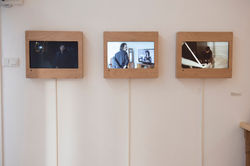
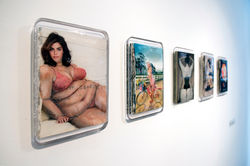
Sanat böyle bir ezilme halini öncelikle ifşa edebilmek sonrasında da dilsel mesafeyi tekrar kurabilmek için tutabileceğimiz en kuvvetli dallardan biri. Bir yanda elinin kiri, diğer yanda ancak kanla temizlenebileceği düşünülen kirlenmişlik söylemleriyle, karşılıklı haz vermenin alanı cinsellik, kirle sıvanırken, kanı temizlik, cinselliği ise kir ile özdeşleştiren çarpık ama yaygın zihniyete farklı açılardan bakan sergi “Kirli”, Orlando’da yaşanan homofobik katliam ve Onur Yürüyüşü’ne yönelen homofobik tehditlerin gündemi kapladığı bu günlerde karşımıza gelerek, aciliyetle çözüm bekleyen köklü sorunlarla yüzleşebilmemiz için bir olanak sunuyor. Cinselliğin meşru sayılan son derece kısıtlı ve kısıtlayıcı tek bir formunun dışına çıkan herşeyi “bu topraklara”, “buranın geleneklerine”, “bize” ters ilan edenlere inat “Kirli”deki eserler, kolajı minyatürle, dini ritüelleri performansla harmanlayarak buralı olmanın da, tıpkı cinsellik gibi, binbir çeşidi olduğunu kanıtlıyor. Arka planda akan sıradan gündelik hayatların ön plandaki şiddeti nasıl var ettiğine, şiddetten kaçmak için nasıl ölüyü oynamayı tercih ettiğimize ve nasıl ölüm doğurur hale geldiğimize kafa yormaya çağırıyor bizi.
Tuna Erdem & Seda Ergül
*DIRTY
Anthropologist Mary Douglas defined impurity as “something that exists where it should not be”.
This definition implies that impurity is designated through its symbolic meaning within a system
rather than through its material qualities. The threat generated by the fluidity and contagiousness of impurity acquires meaning when it is considered together with the excessive significance placed on the formation of borders and the disgust that originates from transgressing these borders. More
importantly, we realize that “what we find impure” is constructed socially, forced and impressed
upon us when we pass on to the symbolic realm. In such a chain of significations, purification, that
is, “cleaning” can come to mean murder, destruction, and annihilation.
Indeed, at each of instance when language pushes the micro spaces of reality, not contending itself with the symbolic power of the border maker, the border regulator, it retreats to the unwillingness of disgust, it comes down on bodies and corporeal practices through a discourse which dignifies a certain understanding of cleanliness and stigmatizes the rest with impurity.
Art is one of the strongest branches we can hold on to, first of all, in order to be able to expose such an oppression and then to be able to reinstate the linguistic distance. While sexuality, the field of giving pleasure reciprocally is cemented with dirt through discourses about chastity on the one
hand, and discourses of impurity, that which is believed to be cleaned only with blood, on the other,
the exhibition Dirty looks at this twisted but prevalent mentality that associates blood with purity
and sexuality with impurity from various angles at a time when the homophobic massacre at
Orlando and the homophobic threats against the Pride March capture the headlines, thereby
providing us with an opportunity to confront deep-seated problems that demand immediate solution. With an obstinance against those who declare anything that steps out of the extremely constrained and restrictive single form of sexuality deemed legitimate as contrary to “these lands”, “our traditions” and to “us”, the works on display at the Dirty exhibition demonstrate that belonging here has a thousand variants, just like sexuality, by blending collages with miniatures, religious rituals with performances. It invites us to ponder on how mundane everyday lives that flow at the
background bring into being the violence on the foreground, how we prefer to play dead in order to
avoid violence, and how we end up giving birth to death.
Tuna Erdem & Seda Ergül
Neden Buradasın? //
Why are you here?
13/02/2016-28/02/2016
Emanuele Satolli, Merve Ünsal, Valentino Bellini & Eileen Quinn

 |  |  |
|---|---|---|
 |  |  |
 |  |  |
 |  |  |
ÖZGE ERSOY
Beklemede
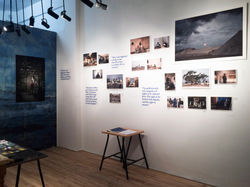
Fotoğraf performatif bir eylem olabilir mi? Bu tür görseller, fotoğrafçı, fotoğraflanan ve izleyici arasındaki ilişkiyi nasıl dönüştürebilir? TOZ’un ilk sergisi “Neden Buradasınız” bu sorulardan yola çıkıyor bana göre. Valentino Bellini, Eileen Quinn, Emanuele Satolli ve Merve Ünsal’ın çalışmalarını bir araya getiren “Neden Buradasınız” hem sanatçı stüdyosu hem de sergi mekânı olarak tasarlanan bir zemin katta izleyicisiyle buluşurken, eskiden dükkân olarak kullanılan mekânın sokakla bire bir ilişki kurması serginin önermesini kuvvetlendiriyor.
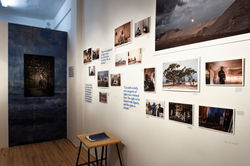
Fotoğrafçı Valentino Bellini ile araştırmacı Eileen Quinn’in ortak çalışması Limbo (2015), belgesel hassasiyetlerin öne çıktığı bir proje. Bir seri fotoğraf ve metni eşleştiren bu çalışma, Tunus’ta göçmen kaçakçılığından etkilenen kişileri konu alıyor. Yerleştirmenin merkezinde, bahçede ayakta duran orta yaşlı bir erkeğin fotoğrafı var. Kamera ise temkinli bir mesafede duruyor. (Künye bilgisine göre karşımızdaki, yakın zamanda Belçika’dan ülkesine geri gönderilen Tunuslu bir adam.) Bu görsel, duvarı kaplayan kasvetli bir deniz fotoğrafının üzerine yerleştirilmiş. Kara bulutların altındaki dalgalı denizi alacakaranlıkta, serinin hâlet-i ruhiyesini ortaya koyan yarı aydınlıkta, bir tür geçiş anında görüyoruz. Hemen yan duvarda ise daha küçük boyuttaki fotoğraflar duruyor: Paylaştıkları evde teker teker fotoğraflanan bir grup mülteci ile son birkaç senedir birçok mülteciyi denizden kurtaran balıkçılar yan yana. Gerçek hayatta birbirlerini tanımasalar bile. Paylaşırken, uyurken ve dua ederken hep en azla yetinmek durumundaki mülteci kampı sakinleri de başka bir yaşam mekânında karşımıza çıkıyorlar. Hepsinin ortak noktası ise arafta yaşamaktan geçiyor.
Yerleştirmedeki fotoğraflar, künye bilgileri ve fotoğraflanan kişilerle yapılan söyleşilerden alıntılanan cümlelerle eşleştirilmişler; konu aldıkları kişilerin günlük hayatlarından kesitleri belgeliyorlar. Peki ihmal ve kayıtsızlığı gösteren bu yüzlere bakmak ne anlama geliyor olabilir? Bana göre bu görseller, mağdur, fail ve görgü tanığı arasına kesin çizgiler çekmekten imtina ediyorlar. Mülteci sorununa temas eden birçok insanın sıradan temsillerini bir araya getiren seriyi çekici kılan da bu: durum temsili ile o durumu değiştirecek kurallar arasında olduğu varsayılan nedenselliğe sırtını dayamaması. Aksine, fotoğraflananlar üzerilerine çevrilen kamerayı karşılarına alıyor, görsellerin okunmasını bilfiil şekillendiriyorlar. Ortaya çıkan fotoğraf da salt onları temsil etmekle kalmıyor; bir edimi, izleyiciye yönlendirilen bir çağrıyı icra ediyor. Başka bir deyişle, statik bir görselden ‘duruma’ dönüşen fotoğraf, süjelerin bir anlığına dondurulduğu bir imgeden süregelen bir hak talebine ve bunun için yapılan bir müzakere alanına evriliyor.
Emanuele Satolli, In the bag for north – Çantada, Kuzeye Doğru serisinden, 2015. El Salvadorlu Andres Sanchez 42 yaşında. Virginia’da yaşadı ve çalıştı. İki sene önce aracını sürdüğü sırada polis kontrolünde yakalandı ve sınırdışı edildi. Virginia’ya geri dönmeye çalışıyor. Halktan biri gibi görünmek için çantasız yolculuk ediyor.
Emanuele Satolli’nin alt kattaki depo mekânında sergilediği In the bag for north – Çantada, Kuzeye Doğru (2015) isimli çalışmasını –müzakere alanına dönüşen hareketsiz görüntüler üzerinden– benzer bir okumayla yorumlamak mümkün. Çalışmanın başlığı, sergilendiği alçak tavanlı ve penceresiz mekânın boğuculuğunun aksine, bir tür çıkış, bir varış yeri tahayyül ediyor öncelikle. Aşağıda inerken karşılaştığımız künye bilgisi, Satolli’nin Guetamala’dan Amerika’ya giden kaçak göçmenleri konu aldığını yazıyor. Yerleştirmenin merkezinde, yerde duran altı tane ahşap kutu var. Her kutu, bir göçmenin çantasından çıkan kişisel eşyaları gösteren bir fotoğrafı tutuyor. İlaç, temizlik eşyası, cep telefonu gibi günlük nesneler, adli bir estetiği çağrıştıracak şekilde sıra sıra dizilmiş, belli bir mesafeden beton zemin üzerinde belgelenmiş. Bu fotoğraflar, nesnelerin sahiplerine ait olan hikayeleri anlatma gücüne sahip; bu kişilerin ihtiyaçlarını ve aciliyetlerini dile getiriyorlar. Ufak bir Meryem Ana heykeli yanında saç jölesinin ve tuvalet kağıdının durduğu fotoğrafa bakın mesela. Hayatta kalmak için neyin vazgeçilmez olduğuna dair verilen oldukça kişisel tercihleri ele veriyor. Bana göre en kuvvetli görsel ise, içinde en az nesne barındıranı. Bu fotoğrafta bir çift gözlük var sadece. Kalabalığa karışmak ya da daha ziyade ortadan kaybolma ihtiyacını nasıl da asgari bir dille anlatıyor.
Duvarlarda asılı büyük boy fotoğraflar ise çantaların sahiplerine ait. Bu portreler loş bir ortamda, muhtemelen sığınılabilecek, güvenli bir mekânda çekilmiş. Göçmenlerin bazıları gözlerini kameradan kaçırmış, ancak çoğu kamerayla doğrudan temas kuruyor. Bu temasın bir tür görünürlük talebi olduğunu söylemek gerek. Ancak bu, kuzeydeki varış noktasına varıncaya kadar çok da dillendirilemeyecek bir talep. Böyle düşününce fotoğraflar geçici olarak birer söz eyleme, geçici bir görünürlük çağrısına dönüşüyorlar. Odaya yayılan konuşma sesleri ise mesafe ve araf fikirlerini ileri taşıyor. Satolli’nin Guetamala’daki bir radyoda yayımlanan kaçak göçmen haberlerinden yaptığı alıntılar, mesafe ve araf hissini artırıyor; duyulan ile umulan, planlanan ile başarılan veya hüsrana uğratan durumlar arasında bir yarık oluşturuyor.
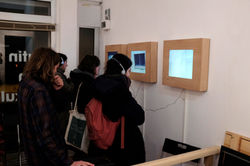
Merve Ünsal’ın From a window – Pencereden (2015) isimli çalışmasının çıkış noktası yine özel ve mahrem olana bakma eyleminde yatıyor. Giriş katındaki bir duvara monte edilen ekranlarda gösterilen hareketsiz görüntüler, sanatçının kendi seslendirdiği metinlerle eşleştirilmiş. İlk görsel, metal çerçeveli bir pencerenin yakın plan çekimi. Dışarıdan fotoğraflanan görüntü, sonuçsuz bir röntgenciliğe izin veriyor. Pencerenin diğer tarafında kimse yok; kadrajdaki boş sandalye ise aniden birinin ortaya çıkacağı beklentisini yaratıyor. İkinci görsel, çevresinden soyutlanmış bej renkteki bir bina cephesi; çatlak ve lekeleriyle kusurlu gözüken duvarın yanından kablolar sarkıyor. Son görselin kadrajı ise, sanatçının nerede durduğunu en fazla ele verecek şekilde belirlenmiş: Karanlık bir odanın içinden çekilen fotoğraf, pencereden gözüken şehir manzarasını sergiliyor. Sanatçı, monoton, düz bir sesle okuduğu metinlerde, bakma ihtiyacı, görüntülenemeyeni yeniden yaratma arzusu ve dışarıdaki şeylere bakmayı sürdürme dürtüsünü konu almış. Ünsal hem durağan görselleri hem de kişisel bir arayışı konu alıyor: “Bütün bu belirsizlikler işte seninle gerçeklik arasında naylon çorap inceliğinde bir katman gibi. Bu naylon çorap içini gıcıklayan cinsten, o kadar iç gıcıklayıcı ki işlevini kaybediyor, sadece dokunman için var.” Kişisel bir sorgulama olarak öne çıkan iş,iç ve dış arasındaki eşiğin nasıl geçildiğini ve bunu yaparken görsel üretmekten nasıl vazgeçilemediğini sorguluyor.
Günlük rutininin parçası olan bakma ve izleme eyleminden yola çıkan Ünsal’ın, kendisi, izlediği ve izleyicisi ile samimiyet kurmaya çalıştığı düşünülebilir. Bence fotoğrafladığı pencere, bir tür eşiğe, bir engele tekabül ediyor. Sahiden, fotoğraf makinası ne zaman koruyucu bir kalkana, ne zaman güç ilişkisini yeniden üreten bir pencereye dönüşür? Ünsal’ın sergi mekânının sokağa bakan camına iliştirdiği cümle ise sokaktan geçenlerle serginin sınırlı söz alanı arasında başka bir eşik yaratmış: “Rutin tüm korkuları köreltir.” (Roberto Bolaño’nun Nocturno de Chile kitabından alıntı) Sadece dışarıdan okunabilen cümle, sergideki tüm işler için temel bir soruyu ele alıyor. Gerek felaketler gerek günlük hayatın sıradanlığını gösteren fotoğraflar olsun, fark etmez; görsellere bakmaya devam etmek için onlardan ne bekliyoruz?
“Neden Buradasınız” sadece belgesel fotoğrafçılığının alışılagelmiş araçlarını tasdiklemiyor; görseller ve değişim fikri arasındaki geçişleri izleyiciye sorgulatıyor. İşte bu yüzden “Neden Buradasınız?”ın muhatabı arafta yaşayan göçmen değil, izleyicinin ta kendisi. Ne de olsa görsel yaratımı, imge üretmekten ibaret değil; aksine, bir pazarlık alanına, görsel ile onun temsil etmeye çalıştığı şey arasındaki boşlukta gerçekleşen bir müzakere sahasına işaret ediyor. Bununla beraber, fotoğrafın performatif gücünün izleyicisine bağlı olduğunu hatırlayalım. Peki, şimdi izleyici ne görmek istiyor?
ÖZGE ERSOY
On hold
Could the photograph become a performative act? How can it transform the relationship between the photographer, the photographed, and the viewer? For me, “Why are you here,” the first exhibition of TOZ, takes these questions as a departure point. Bringing together works by Valentino Bellini & Eileen Quinn, Emanuele Satolli, and Merve Ünsal, the exhibition is placed in an artist’s studio-cum-exhibition space—a storefront, to be precise—, which also amplifies this proposition.
Among the works in the exhibition, Limbo (2015) has the most obviously documentary sensibility. Conceived by photographer Valentino Bellini and researcher Eileen Quinn, the project combines a series of photographs and a narrative text on people who have been affected by people smuggling in Tunisia. At the center of the installation is the photograph of a middle-aged man standing in a private garden, captured from a safe distance. (The caption introduces him as a Tunisian who was recently repatriated from Belgium). This photograph is placed against a gloomy seaspace with dark clouds over a wavy sea, captured at twilight—a moment of half-light, a transitional state that sets the tone for the series. On the next wall are clusters of smaller size images: There are fishermen who are involved in rescuing refugees on the water, as well as rescued immigrants who are portrayed individually in their private space, the apartment they share together. A refugee camp stands out as another living space with the bare minimum to share, to sleep, and to pray—all related to surviving the in-between moments.
In the installation, the photographs are attached to their captions and the quotes taken from the interviews conducted with their subjects (both in the text and audio format), which document glimpses of their daily lives. But what does it mean to look at these faces that emerge from places of neglect and oblivion? For me, these images don’t readily reproduce the categories of victim, perpetrator, and bystander. Focusing on the banal representations of various people affected by the migrant issues, they don’t attempt to recreate the assumed causality between the representation of an event and the protocols to change it. On the contrary, it is the subjects who perform for the camera’s gaze that actively shape and participate in the perception of the images. In other words, the resulting photographs don’t simply describe these men, but rather perform an action—an appeal to the viewer—, and thus turn into “events” where the subjects present an ongoing claim, suggesting a space of negotiation.
Occupying the storeroom of TOZ downstairs, Emanuele Satolli’s In the bag for north (2015) calls for a similar interpretation of the potential of still photographic images. The title of the work contains a sense of exit and destination, which is placed in contrast with the claustrophobic feeling of the space with low ceilings and no windows. The short introductory text, made available on the way to downstairs, informs that Satolli takes photographs of undocumented immigrants traveling from Guetamala to the US. In the heart of the installation, six wooden boxes lie on the floor, each holding a photograph that captures personal items taken out of an immigrant’s bag. Daily objects, such as pills, sanitary items, and mobile phones, are all arranged in a grid and photographed against a concrete floor and from a distance, suggesting a sort of forensic aesthetics. These photographs are somehow capable of telling stories on behalf of the immigrants in question, revealing patterns of their needs and urgencies. Take the example of the image that features a tiny Virgin Mary statue, placed next to a hair gel and toilet paper, giving away personal details about what is irreplaceable, vital to survive. The most powerful image for me is the least visually crowded photograph, which shows only a pair of glasses—tactfully using a minimal language to voice the need to blend in or rather to disappear.
The large-scale photographs hung on the walls hint at those who carry these items in their bags. These portraits are taken in a dimly lit indoor space, presumably a safe haven for protection. Although a few divert their eyes from the camera, most of them directly look into it, suggesting a demand for getting noticed—something that they would not be able to favor in their journey to their destination in the north. Thereby, the photographs temporarily serve as speech acts, asking for a provisional visibility. Featuring excerpts from a Guatemalan radio that broadcasts news about immigration, the audio piece that occupies the space furthers that sense of distance and in-betweenness, creating a gap between what is heard and expected, what’s intended and achieved or failed in the end.
The act of seeing what is considered to be private is also present in Merve Ünsal’s From a window (2015). Installed on the ground floor, the work uses three monitors to show static images coupled with narratives that the artist recorded herself. The first image is a close-up of a window with metal frames shot from outside, allowing a sort of futile voyeurism: There is no one standing by it, except an empty chair that builds up an anticipation of someone to show up. The second image is an abstracted fragment of a beige-colored building façade, imperfect with its cracks, spots, and dangling cables on the side. The last one is the most obvious about where the artist stands, showing an urban view from the inside of a window. In the audio pieces, Ünsal speaks about the need to watch, the desire to recreate what one sees and cannot capture, and the urge to continue to see things outside. Here she explores a personal pursuit as well as the potential of static images, using a monotonous, flat voice: “These uncertainties constitute a layer, as thin as a pair of stockings, between you and the reality,” the artist says, “These stockings are so seductive to the extent that they lose their function; they’re there only for you to touch them.” The work stands out as a rather intimate inquiry, and questions how one crosses the threshold between the inside and the outside, somehow never giving up on making images.
Departing from her own daily rituals of looking and observing, Ünsal tries to build intimacy between her, her view, and her viewer. Here the trope of window becomes a placeholder for thresholds, for obstacles. But really, when does the camera turn into a protective shield or a window through which one reaffirms a power hierarchy? In her text-based gesture attached to the glass window of the storefront gallery, Ünsal creates another threshold, the one that sits between passers-by and the confined space of the exhibition. Only visible from outside, her sign reads: “All horrors are dulled by routine.” This quote (taken from Roberto Bolaño’s By Night in Chile) poses an essential question for all the works on display here: What type of engagement does one seek to keep looking at images, regardless of what they show, be it images of distress or the banal details of daily life?
For me, “Why are you here” goes beyond the affirmation of the customary tropes of documentary photography, as it triggers an inquiry on the mediations between images and the idea of change. “Why are you here” is no longer the usual question an immigrant receives at in-betweens; it rather becomes a question addressed to the viewer himself/herself. After all, image-making is not only about producing images. It is rather a constant negotiation that exists in the gap between the image and what it attempts to represent. That said, let’s remember that the performative potential of the photograph depends on its receiver. So now, what does the viewer desire to see?
Özge Ersoy is a curator and art writer based in Istanbul. She is the program manager of collectorspace and the managing editor of m-est.org. ozgeersoy.tumblr.com